Sponsoring sweepstakes promotions are one of the most exciting marketing vehicles that a business can use to increase visibility and engage customers. Before starting, it is essential to take detailed consideration of all rules and regulations governing sweepstakes promotions. By now, readers are familiar with the basics of how to conduct a sweepstakes promotion. However, many do not know who implements and oversees compliance with applicable sweepstakes laws, or which governmental entities they should be aware of.
In this blog, we take a look at the various entities which are tasked with enforcing sweepstakes rules and regulations across the country. There are both federal and state agencies that oversee sweepstakes promotions. These agencies work on multiple levels to ensure fair business practices in the advertising and administration of sweepstakes contests.
Federal Agencies that Govern Sweepstakes Promotions
Federal agencies with jurisdiction over sweepstakes promotions include:
- The Federal Trade Commission (“FTC”). Originally established in 1914 to prevent anticompetitive business practices, Congress eventually provided the FTC with authority to police “deceptive acts or practices” and the power to administer and enforce consumer protection laws. According to the FTC, telemarketers that advertise sweepstakes promotions are required to inform consumers of “the nature or value of the prizes, that entering is free, and the terms and conditions to redeem a prize.” In addition, sweepstakes marketing materials that are sent through the U.S. Mail or via the Internet must clearly disclose that consumers do not have to pay to participate.
- The Federal Communications Commission (“FCC”). The FCC regulates communications via radio, television, wire, satellite and cable across the United States. This agency was established in 1934 as the country’s primary independent authority over communications and technology. FCC regulations dictate that television and radio broadcast stations that run sweepstakes promotions are required to accurately disclose their respective contest rules and entrance eligibility criteria.
- The United States Postal Service (“USPS”). The USPS created the United States Postal Inspection Service (“USPIS”), an agency that is charged with enforcing laws that are meant to protect the nation’s mail system against illegal and dangerous use. Among other responsibilities, the USPIS protects consumers from predatory scams and promotions. For example, sweepstakes promotions that are advertised through use of the USPS could run afoul of mail fraud regulations if sponsors do not comply with applicable contest laws.
- The United States Department of Justice (“DOJ”). The Consumer Protection Branch of the DOJ works with the above-mentioned agencies to enforce applicable laws. Resources listed on their website are aimed at protecting consumers from deceptive promotions, such as lottery fraud.
States Govern Sweepstakes
Sweepstakes promotions are also regulated by various state bodies. For example, cash prizes above certain thresholds trigger sweepstakes registration and bonding requirements. These requirements predominantly apply to sweepstakes conducted in the states of Florida, New York and Rhode Island. In Florida and New York, sweepstakes must be registered and bonded if the aggregate prize values exceed $5,000. Comparatively, where the aggregate prize amounts exceed $500, the State of Rhode Island requires such sweepstakes operators to register with the Secretary of State (but no bonding is necessary.) This registration requirement only applies to promotions that are conducted by brick and mortar-businesses in Rhode Island via a retail outlet.
Don’t Leave Your Future to Chance
Sweepstakes laws can be nuanced and confusing, and there are significant costs involved if you do not take the necessary precautions to ensure that your promotional contest matches your budget and goals.
Avoiding possible penalties associated with improperly conducting sweepstakes promotions is a must. An experienced attorney can help guide you through the complexities of federal and state rules and regulations. Klein Moynihan Turco regularly assists businesses with the regulatory compliance issues associated with conducting sweepstakes promotions. Contact us today to get started by emailing us at info@kleinmoynihan.com, or calling us at (212) 246-0900.
The material contained herein is provided for informational purposes only and is not legal advice, nor is it a substitute for obtaining legal advice from an attorney. Each situation is unique, and you should not act or rely on any information contained herein without seeking the advice of an experienced attorney.
Attorney Advertising
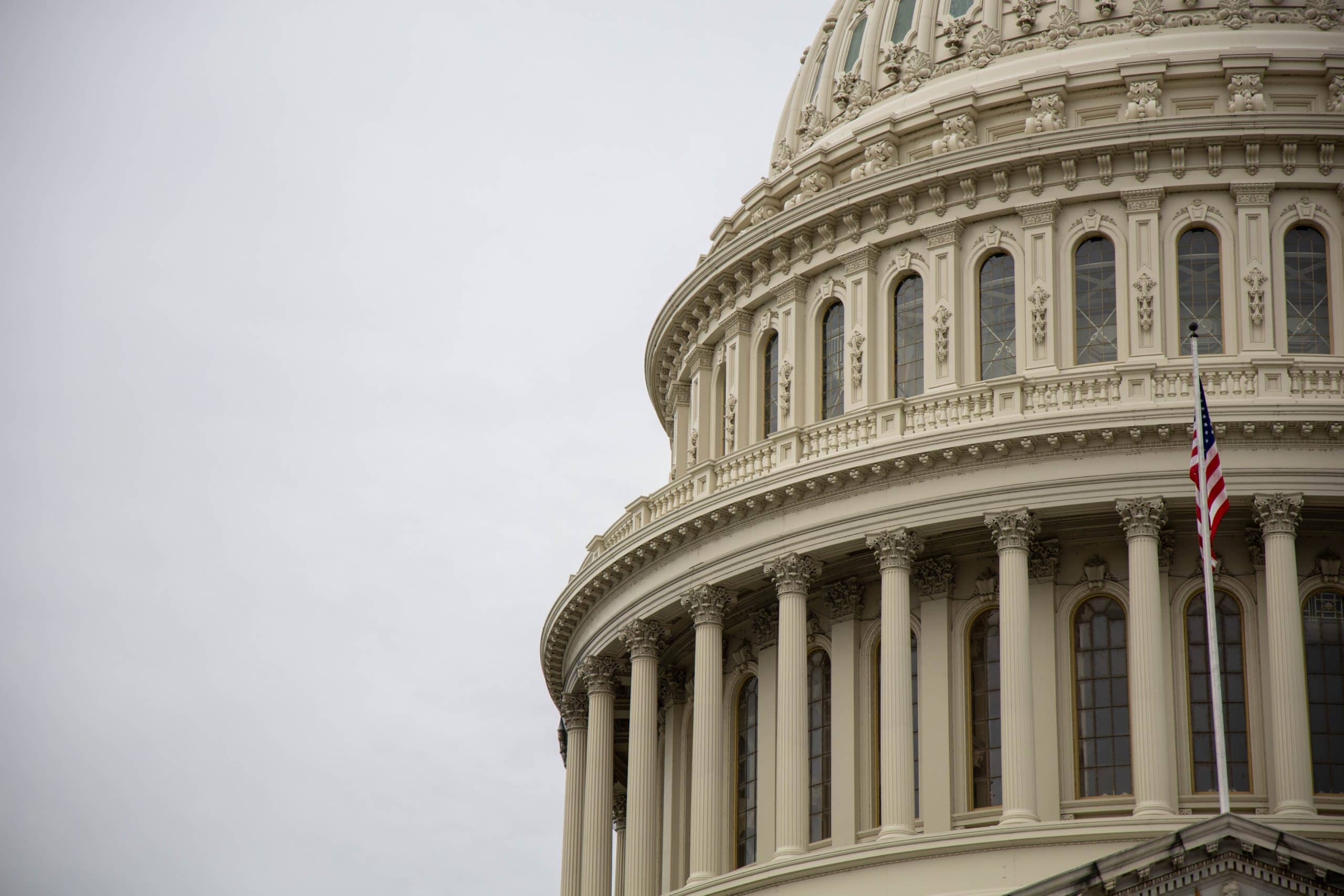
Photo by Joshua Sukoff on Unsplash
Similar Posts
FTC Obtains Sweepstakes Sponsor Asset Freeze