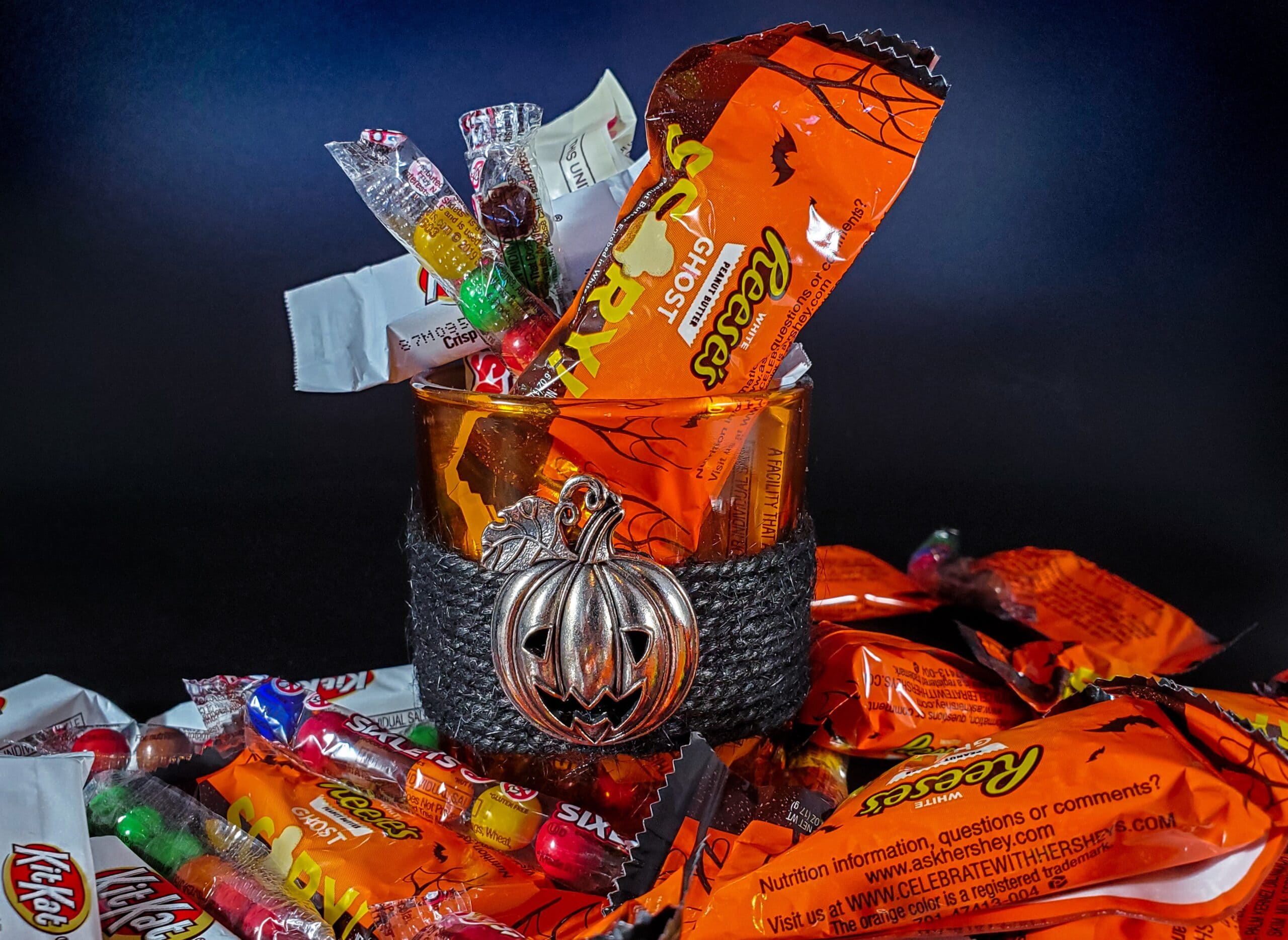
As Halloween approaches, so does the kick-off to the official holiday season. During this time of celebration, companies double-down with exciting sales, promotions and sweepstakes. One such business is Reese’s, owned by The Hershey Company. Unfortunately, Reese’s may find itself on the receiving end of regulatory action and/or a consumer lawsuit, as it appears that the current promotion may violate various state sweepstakes laws.
The sweepstakes promotion at issue is featured on the outside of a Reese’s peanut butter cup wrapper, which reads “YOU COULD WIN $25,000.” In smaller print below, it says “SEE DETAILS INSIDE.” In order to access the subject sweepstakes details, the consumer must purchase and open the product, only to find that the small print sweepstakes disclosure includes the language “NO PURCHASE NECESSARY.” The product is currently being sold across the country in numerous retail locations.
Does the Reese’s Promotion Violate Applicable Sweepstakes Laws?
As readers of this blog know, the main difference between an illegal lottery and a compliant sweepstakes promotion is that consumers must not be required to pay to enter a sweepstakes promotion. While purchasing a product or service to enter is allowed, applicable laws require a free alternative means of entry (“AMOE”).
Many state deceptive advertising/unfair trade practice laws dictate that sweepstakes advertising cannot be misleading. Among other regulations, advertisements and packaging related to sweepstakes generally have to disclose the fact that NO PURCHASE IS NECESSARY to enter.
While the Official Rules for the Reese’s sweepstakes do provide that no purchase is necessary to enter and disclose the fact that an AMOE by mail-in is available to obtain a game code. The main issue with the Reese’s promotion from a sweepstakes law perspective is that the very existence of the AMOE does not appear to have been made available to consumers without their having made a purchase and reading about it inside the peanut butter cup wrapper.
While state laws vary, some key components of a compliant sweepstakes promotional disclosure include:
- Language explaining that no purchase is necessary to enter;
- Language that purchase will not increase the odds of winning;
- The promotion start and end dates;
- The odds of winning a prize;
- The number and type(s) of prize(s) that will be awarded; and
- Eligibility requirements (such as minimum age and jurisdictions of residence).
Importance of Complying with Sweepstakes Laws
Another issue that Reese’s faces is that it appears that Reese’s ran the exact same promotion earlier this year, with the exact same packaging. To make matters worse, those peanut butter cups are still being sold to consumers even though the prior promotion is long over.
As the confection is presently being sold across the country, Reese’s may find itself on the receiving end of lawsuits and potential regulatory action.
Did they fail to post the Official Sweepstakes Rules at the retail locations? Did Reese’s consult with experienced sweepstakes law counsel prior to launching their promotion?
Having counsel at your side will ensure that your sweepstakes complies with applicable state and federal laws – failure to do so could result in expensive and time-consuming legal and regulatory action.
If you are interested in learning more about sweepstakes law or require assistance with your sweepstakes promotional games, please email us at info@kleinmoynihan.com, or call us at (212) 246-0900.
The material contained herein is provided for informational purposes only and is not legal advice, nor is it a substitute for obtaining legal advice from an attorney. Each situation is unique, and you should not act or rely on any information contained herein without seeking the advice of an experienced attorney.
Attorney Advertising
Photo by Terrance Barksdale on Pexels.
Sweepstakes Law: A Primer on How to Run Compliant Promotions